Wednesday, 23 October 2019

Diffusion & Osmosis(2019-2020)

Vocabulary:  Diffusion, Osmosis

Associated vocabulary:  Concentration, solute, solvent, semi-permeable membrane

This topic is about a process that involves a part of the cell that you learned about last year in grade 7 - the cell membrane.

The role or job of the cell membrane is to allow things in and out of the cell.

Once inside the cell, these "things" - nutrients, food or waste - moves through the cytoplasm by a process called diffusion.

Water, being such an important abiotic factor for organisms, also moves by diffusion, but because it is so special, we give its movement by diffusion a special name - Osmosis.


Here is a video using eggs to show Osmosis rather than gummies.


. . . and the songs just keep getting better in Cycle 1 Science ;)


Saturday, 12 October 2019

Types of Chemical Changes(2019-2020)

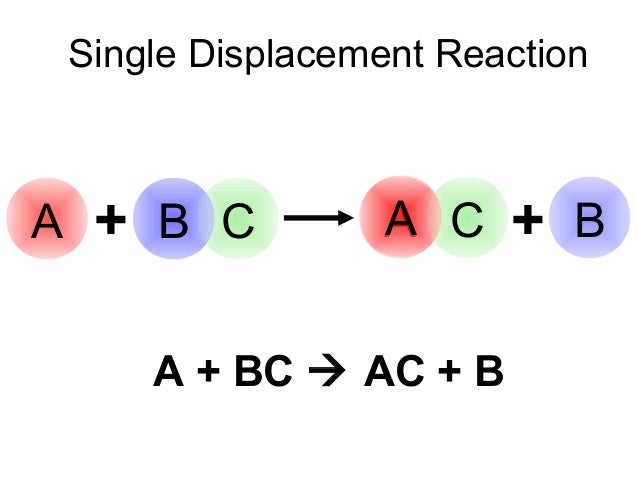
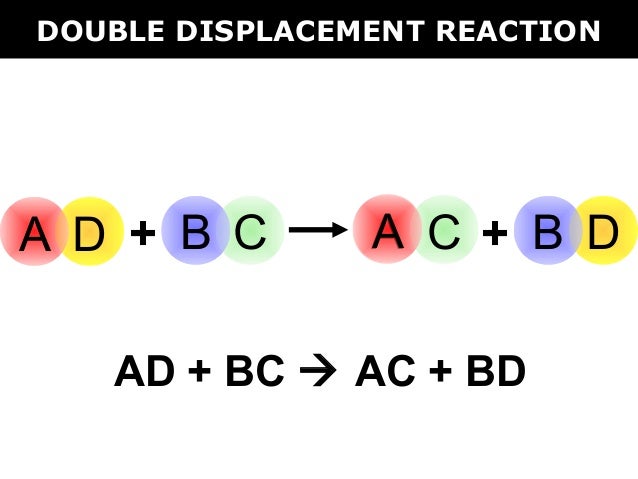
 Vocabulary:  Synthesis, decomposition, single displacement, double displacement

   
Chemical changes happen when atoms are changed to make new substances.


REMEMBER!!  "Changed" doesn't mean simply spacing them out more when a solid turns into a liquid( melting ), or crowding them together to make a liquid from a gas( condensation ) . . . these are changes of state, which are phyical changes.


Chemical changes mean you are making new bonds between atoms that may have been individual atoms before  - in other words, making molecules - or you are breaking bonds between joined atoms to turn them into individual atoms - breaking molecules apart.


You will learn four main ways that atoms are either bonded, unbonded and otherwise switched around chemically.

See below:

1)

                                 Related image

2)

                   Image result for decomposition reaction

3)
                Related image


4)  

                    Related image

Friday, 11 October 2019

Chemical & Physical Changes(2019-2020)

Vocabulary:  rusting/oxidation, burning/combustion.

We have talked a lot about Matter -  what it is made up of and we reviewed some of its "properties":  state, mass, volume, temperature & pH.

Now, we will talk about changing Matter.

We can change Matter two ways:  Chemically and Physically.

See the notes:

 
This video helps explain things too, but it may not exactly match the notes from above: