Vocabulary: Fertilization, menstrual cycle, menstruation, endometrium Fertilization is the third topic in our Reproduction unit and is the next "step". We looked first at the organs that humans use to reproduce, then we looked at what those organs produce and are designed to bring together: gametes.
When those gametes meet each other, they do so in a process called fertilization.
Vocabulary: Gametes , ovum / ova / eggs , spermatozoon / spermatozoa / sperm , haploid, diploid This powerpoints picks up where we left off by looking at what the reproductive organs make: sperm and eggs - in everyday language.
This is the video from class. It goes into great detail about the layers of the egg and what happens inside the egg after a male gamete( sperm )gets inside.
The most important things to take away from this is the path the sperm take, the difficulty the sperm go through to get to the egg, where it meets the egg and how many are left at that point.
Vocabulary: Photosynthesis, cellular respiration, glucose All living things need energy. This energy comes from glucose. Plant cells get glucose from sunlight by performing photo synthesis. Animal cells get glucose by eating other organisms. The glucose is now "burned" in both kinds of cells for energy for life processes.
The glucose is "burned" by a process called cellular respiration.
This topic is about a process that involves a part of the cell that you learned about last year in grade 7 - the cell membrane.
The role or job of the cell membrane is to allow things in and out of the cell.
Once inside the cell, these "things" - nutrients, food or waste - moves through the cytoplasm by a process called diffusion.
Water, being such an important abiotic factor for organisms, also moves by diffusion, but because it is so special, we give its movement by diffusion a special name - Osmosis.
Here is a video using eggs to show Osmosis rather than gummies.
. . . and the songs just keep getting better in Cycle 1 Science ;)
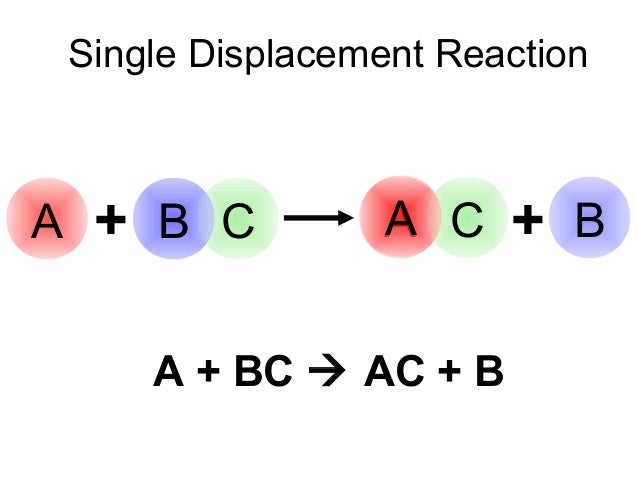
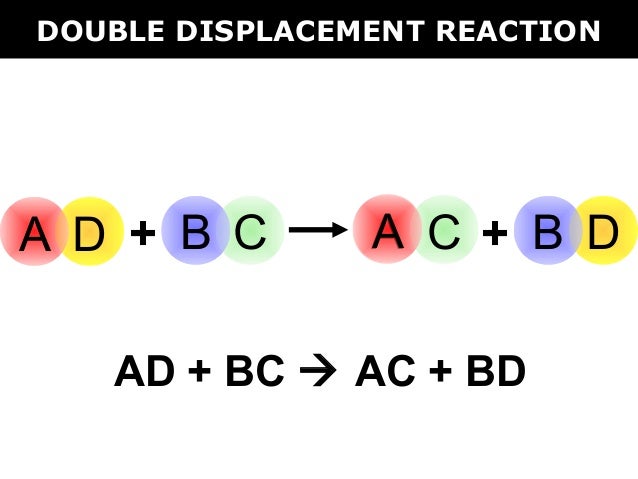
Vocabulary: Synthesis, decomposition, single displacement, double displacement Chemical changes happen when atoms are changed to make new substances. REMEMBER!! "Changed" doesn't mean simply spacing them out more when a solid turns into a liquid( melting ), or crowding them together to make a liquid from a gas( condensation ) . . . these are changes of state, which are phyical changes. Chemical changes mean you are making new bonds between atoms that may have been individual atoms before - in other words, making molecules - or you are breaking bonds between joined atoms to turn them into individual atoms - breaking molecules apart. You will learn four main ways that atoms are either bonded, unbonded and otherwise switched around chemically. See below: 1)
Vocabulary: atomic #, chemical symbol, chemical name, group, period, metal, metalloid(or semimetal), non-metal
Like a map, you don't have to memorize the Periodic table, but you should be able to READ it.
So, each tile tells you certain info about an atom, such as it's name and symbol. It will also tell you whether it is a solid, liquid or gas, a metal, nonmetal or metalloid. Other info you can ignore for now.
Then:
1) The table is then organized into:
VERTICAL groups (these atoms share similar properties)
and
HORIZONTAL rows called periods(These atoms repeat their properties as they are listed left to right - resulting in the groups).
2) It is divided into metals, metalloids(or semimetals)and nonmetals.
The ancient Greeks first coined the word Atom because they thought everything around them was made of small, unbreakable particles. Atomos is the Greek word for "indivisible" or "unbreakable".
You must be familiar with the Atom as explained by a scientist named John Dalton.
When two or more atoms stick or bond with each other, they form a molecule. You must be able to count the different atoms in a molecule.